



How AI Theft Detection Works in Retail
AI-powered theft detection combines several advanced technologies, including:
1. Computer Vision for Real-Time Monitoring
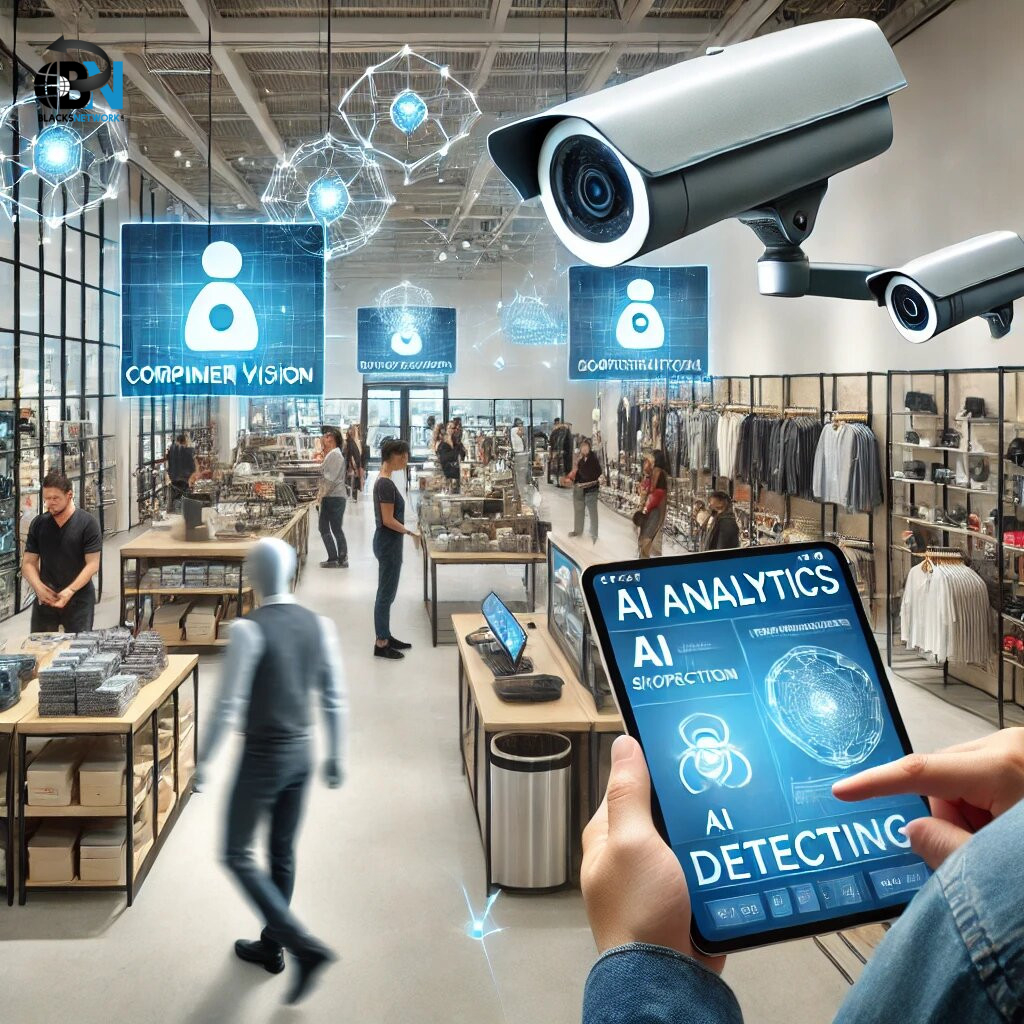
AI-driven security cameras use computer vision to analyze video footage in real time. Unlike traditional CCTV cameras that require human monitoring, AI-powered systems can:
Identify suspicious movements, such as hiding items in clothing.
Detect repeat offenders using facial recognition.
Track abnormal customer behavior, such as lingering in high-value product sections.
2. Machine Learning for Behavioral Analysis
Machine learning algorithms analyze customer behavior patterns to identify potential theft risks. These systems can detect:
Frequent visits without purchases.
Customers avoiding eye contact with staff.
Unusual movements, such as switching price tags or concealing goods.
3. AI-Powered Self-Checkout Theft Prevention
Retailers using self-checkout systems face increasing theft risks. AI enhances security by:
Using weight sensors to verify scanned items.
Detecting "skip-scanning" (scanning a cheaper item instead of an expensive one).
Alerting staff when anomalous transactions occur.
4. Predictive Analytics for Theft Prevention
AI theft detection systems use predictive analytics to analyze historical theft data and predict high-risk areas in the store. Retailers can:
Identify peak theft hours and assign security accordingly.
Determine which products are most stolen and place them under increased surveillance.
Improve store layout to minimize blind spots.
Benefits of AI Theft Detection in Retail
1. Enhanced Security and Faster Theft Detection
AI systems can analyze millions of data points in seconds, instantly alerting security personnel to suspicious activity. This speeds up response time and prevents losses before they occur.
2. Reduced False Alarms
Traditional motion sensors often trigger false alarms due to normal customer behavior. AI theft detection minimizes these errors by distinguishing between genuine threats and routine shopping activity.
3. Cost Savings for Retailers
Implementing AI-driven theft detection can significantly reduce losses from shoplifting and fraud. Although AI technology requires an initial investment, it saves money in the long run by preventing theft-related financial losses.
4. Improved Employee Monitoring
AI doesn’t just detect external theft—it also monitors employee behavior to prevent internal theft and ensure compliance with store policies.
5. Seamless Integration with Existing Systems
Modern AI theft detection systems can integrate with:
Existing CCTV networks to enhance security.
Point-of-sale (POS) systems to detect fraudulent transactions.
Inventory management software to track missing items in real time.
Challenges of Implementing AI in Theft Detection
Despite its advantages, AI theft detection faces several challenges:
1. Privacy Concerns
AI-powered facial recognition and behavioral tracking raise concerns about customer privacy. Retailers must ensure compliance with data protection laws such as GDPR and CCPA.
2. High Initial Costs
Installing AI-powered cameras and software requires a significant investment. However, many retailers view it as a long-term cost-saving measure due to theft prevention.
3. Integration Complexity
Some AI solutions may not be compatible with older security systems, requiring businesses to upgrade their infrastructure.
4. Risk of Bias in AI Algorithms
AI systems trained on biased data may disproportionately flag certain customer groups as suspicious. Retailers must ensure fair and unbiased AI implementation to prevent discrimination.
Real-World Examples of AI Theft Detection in Retail
Several major retailers are already leveraging AI to combat theft:
1. Walmart
Walmart uses AI-powered computer vision cameras to detect theft at self-checkout kiosks. Their AI system, called Missed Scan Detection, prevents "skip-scanning" and alerts store associates when a customer fails to scan an item.
2. Amazon Go
Amazon Go stores utilize AI-powered checkout-free technology that tracks customer movements, automatically billing them for items taken off the shelves. This eliminates self-checkout fraud entirely.
3. CVS Pharmacy
CVS employs AI surveillance to identify repeat shoplifters and alert security teams in real-time. Their system also monitors customer behavior for signs of potential theft.
4. Home Depot
Home Depot integrates AI with POS transaction monitoring to detect suspicious returns, fraudulent purchases, and employee theft.
The Future of AI Theft Detection in Retail
As AI technology continues to evolve, the future of AI theft detection looks promising. Here are some key trends:
1. AI-Powered Robotics for Theft Prevention
Retailers are exploring AI-driven security robots that patrol stores, identify suspicious behavior, and deter criminals.
2. Blockchain Integration for Secure Transactions
Blockchain technology can complement AI by creating tamper-proof transaction records, reducing fraudulent returns and financial theft.
3. More Advanced Biometric Security
Future AI systems will incorporate biometric authentication, such as fingerprint and voice recognition, to prevent unauthorized access to store areas.
4. Enhanced Edge AI for Faster Theft Detection
Edge AI, which processes data directly on local devices rather than cloud servers, will enable faster theft detection without requiring constant internet connectivity.
https://fastedge.ai/ai-theft-detection/






 1 (877) 773-1002